Trolling with Crankbaits

Trolling with crankbaits is one of the most effective ways to catch walleye on Minnesota lakes. This technique covers water efficiently, allowing anglers to find active fish and trigger strikes. Whether you are new to trolling or an experienced angler looking to sharpen your skills, understanding how to find the right depth, choose the proper line length and type, and select the best lures for different conditions will improve your success. While walleye are a popular target, trolling crankbaits can also bring in other species like northern pike, bass, and perch, making it a versatile method for lake fishing.
Finding the Right Depth for Effective Trolling
One of the biggest challenges when trolling crankbaits is getting the lure to the depth where fish are feeding. Walleye often hold at specific depths depending on the time of day, water temperature, and season.
Use a Depth Finder: Modern fish finders help locate fish and identify underwater structures like drop-offs, humps, and weed edges where walleye gather.
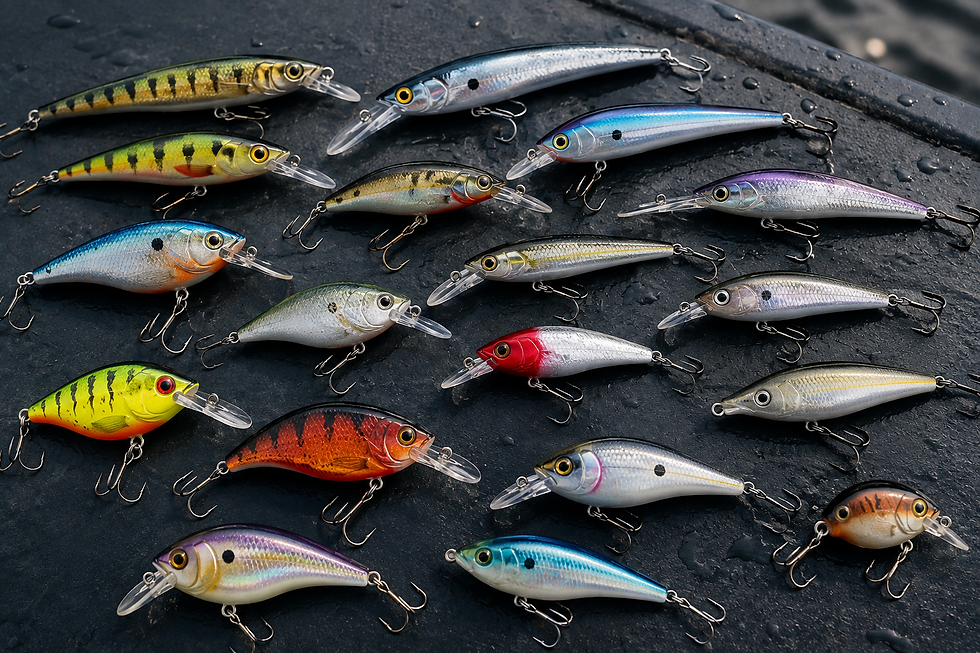
Match the Crankbait’s Diving Depth: Crankbaits come with different lip sizes that control how deep they dive. For example, a shallow-diving crankbait might run 3 to 6 feet deep, while a deep-diver can reach 15 feet or more.
Adjust Line Length and Boat Speed: The lure’s depth depends on how much line is out and how fast you troll. More line and faster speed generally make the crankbait dive deeper.
Test Different Depths: Start by trolling at various depths until you find where the fish respond. Walleye often suspend near the bottom during the day but may move shallower or deeper depending on conditions.
For example, in early spring, walleye may be found in shallower water near spawning areas, so a shallow-diving crankbait trolled slowly with less line out works well. In summer, they often move to deeper cooler water, requiring longer line and deeper crankbaits.
Choosing the Appropriate Line Length and Type
The length and type of fishing line you use affect lure action, depth control, and sensitivity.
Line Length: - Shorter line (30-50 feet) keeps the crankbait shallower and allows better control in shallow water. - Longer line (60-100 feet or more) lets the lure dive deeper and covers more water. - A good rule is to start with about 50 feet of line out and adjust based on depth and lure type.
Line Type: - Monofilament is popular because it stretches, which can help absorb strikes and prevent hook pulls. It also floats, which can keep crankbaits shallower. - Fluorocarbon sinks faster and is less visible underwater, making it better for clear water and deeper trolling. It also transfers vibrations well, improving bite detection. - Braided line has little stretch and high strength but sinks slowly and can make crankbaits run shallower than intended. It’s often used with a fluorocarbon leader.
For Minnesota lakes, many anglers prefer fluorocarbon or a fluorocarbon leader combined with braided line for strength and sensitivity. Adjust line length carefully to control lure depth and maintain good lure action.
Selecting the Best Lures for Various Conditions
Crankbaits come in many shapes, sizes, and colors. Choosing the right one depends on water clarity, light conditions, and fish behavior.
Size and Shape: - Smaller crankbaits (2-3 inches) work well in clear water or when fish are finicky. - Larger crankbaits (3-5 inches) attract aggressive fish or when targeting bigger walleye.
Color: - Natural colors like perch, shad, or crawfish patterns work best in clear water. - Bright colors like chartreuse, orange, or fire tiger stand out in stained or murky water. - Match the hatch by observing local baitfish and insect colors.
Lip Design: - Shallow-diving crankbaits have short lips and run 3-6 feet deep. - Medium-divers run 6-12 feet. - Deep-divers have long lips and can reach 15 feet or more.
Action: - Some crankbaits wobble aggressively, while others have a tighter, subtle action. Use aggressive lures when fish are active and subtle ones when they are cautious.
For example, on a sunny day with clear water, a small natural-colored crankbait trolled slowly near rocky points can trigger bites. On a cloudy day with stained water, a bright-colored deep-diver trolled faster along weed edges might be more effective.
Why Trolling with Crankbaits Works So Well for Walleye
Walleye are known for their keen eyesight and preference for low-light conditions. Crankbaits mimic baitfish movement and trigger the walleye’s predatory instincts. Trolling covers large areas, helping anglers locate schools of walleye rather than waiting for bites in one spot.
The lure’s vibration and wobble attract walleye from a distance.
Trolling allows you to maintain a steady presentation at the right depth.
You can adjust speed and depth quickly to match fish behavior.
Besides walleye, trolling crankbaits can catch northern pike, smallmouth bass, and even lake trout in some lakes. This makes it a versatile technique for anglers who want to target multiple species on a trip.
Tips for Success When Trolling Crankbaits on Minnesota Lakes
Vary Your Speed: Walleye respond to different speeds depending on conditions. Try trolling between 1.5 and 3.5 mph.
Use Electronics: A fish finder helps locate fish and structure. Mark spots with active fish and troll over them multiple times.
Change Depth Often: If you don’t get bites at one depth, adjust line length or switch crankbaits to try deeper or shallower water.
Watch Weather and Light: Walleye often feed more actively during low light periods like dawn, dusk, or cloudy days.
Keep Your Gear Ready: Use a rod with a sensitive tip to feel subtle strikes and a reel with smooth drag to handle strong fish.
Final Thoughts on Trolling Crankbaits in Minnesota
Trolling crankbaits on Minnesota lakes is a proven way to catch walleye and other species. Success depends on finding the right depth, using the proper line length and type, and selecting lures that match the conditions. With practice and attention to detail, you can cover water efficiently and enjoy productive fishing trips.
Next time you head out, focus on adjusting your setup based on the lake’s conditions and fish behavior. This approach will help you master trolling crankbaits and bring home more fish from Minnesota’s beautiful lakes.


Comments