Fall Walleye Fishing in Minnesota: Effective Tips

Fall walleye do not casually snack. They put on the feedbag because winter is coming. In Minnesota, that makes September through freeze-over one of the best windows of the year to catch heavy, aggressive fish.
The key is simple: follow bait, fish sharper edges, respect wind, and use thoughtful presentations.

Fall walleye location starts with bait and breaks
The fall pattern is built around cooling water. As water temperatures drop, baitfish bunch up and walleye slide into predictable feeding areas. On many Minnesota lakes, that means the fish move from scattered summer locations toward structure with quick access to deeper water.
Good fall spots share three things:
Food nearby
A hard edge or transition
Deep water close enough for comfort
That may be a rock reef topping out in 12 feet with 30 feet nearby. It may be a cabbage edge next to a basin. It may be a sand-to-gravel transition on a windblown shoreline. Walleyes like options. They are not lazy, but they do appreciate a short commute.
Minnesota anglers know the lake matters, so before you go out - do your research. Mille Lacs fish often relate to rock, gravel, mud edges, and wind-pounded points. Leech Lake fish may use main-lake points, shoreline breaks, rock reefs, and green weeds. Lake Winnibigoshish has classic bars, humps, and shoreline breaks. Lake of the Woods and Rainy Lake add current, stained water, reefs, neck-downs, and basin bait to the puzzle.
River systems are different. On the Mississippi, Rainy River, St. Louis River, and other current-driven water, fall walleye stack near current seams, eddies, wing dams, holes, and channel edges. Flow positions fish. Find the easy feeding lane and the story gets a lot shorter.
Break the season into three useful mini-seasons
Fall does not fish the same from Labor Day to deer camp. Treat it like three different bites.
Fall period | Likely locations | Best presentations |
Early fall | Green weed edges, shallow rocks, windblown points, flats near deeper water | Jig and minnow, paddle tails, shallow crankbaits, slip bobbers |
Mid-fall | Main-lake reefs, steep breaks, points, saddles, basin edges | Live-bait rigs, jig and minnow, trolling cranks, blade baits |
Late fall | Deep rock, sharp breaks, river holes, current seams, mouths of bays | Heavy jigs, large minnows, vertical jigging, slow trolling |
Early fall usually rewards movement. Cover water until marks and bites line up. Mid-fall rewards structure discipline. Late fall rewards patience, boat control, and warm gloves that do not make fingers feel like bratwurst.
The Minnesota DNR regularly reminds anglers to check local regulations because seasons, slot limits, and special rules vary by water. That matters on big-name lakes like Mille Lacs, Rainy, Lake of the Woods, and Upper Red. Check before the trip, not after a conservation officer asks how the bite was.
Fish the locations walleye actually use in fall
Fall walleye spots are rarely random. Pick targets with a reason.
Windblown points and shorelines
Wind pushes plankton, baitfish, and warmer surface water toward shore. Walleye follow. A two-day wind blowing into a rocky point can turn it into a buffet line.
Start on the upwind edge, then work across the tip and down the break. If the water is stained or cloudy, fish may be surprisingly shallow. In clear water, they may slide shallower at sunrise, sunset, or after dark.
Best tools:
Jig and shiner
Shallow-running crankbait
Paddle tail swimbait
Slip bobber and leech or minnow, if fish are pinned to one spot
Rock reefs and offshore humps
Classic Minnesota fall water. Reefs with mixed rock, gravel, and sand can reload for weeks. The best ones have irregular shape, not a perfect tabletop. Points, notches, saddles, and isolated boulders concentrate fish.
Do not just fish the top. Work the crown, lip, and base. Many bigger fish sit where the reef rolls into deep water. On pressured lakes, they may not climb up until low light.
A good pass looks like this:
Idle the reef and mark bait or fish.
Drop a waypoint on the upwind edge.
Make controlled drifts across the top and down the break.
If bites come at one depth, repeat that contour.
If bites stop, switch angle before switching lakes. Do not rage-quit the reef.
Green weeds that refuse to die
Healthy cabbage is a fall gold mine. It holds perch, shiners, young-of-year fish, and oxygen. Brown, dying weeds are less appealing. Green weeds near deep water deserve time.
Pitch jigs, plastics, or shallow cranks along the outside edge. A slip bobber on weed pockets can be deadly when fish are there but picky.
On lakes with heavy pressure, weeds can outfish obvious rock during daylight. Everyone can see the reef on a map. Not everyone wants to pick cabbage off a jig for three hours. That is why cabbage sometimes pays rent.
Basin edges and mud transitions
On lakes with tullibees, shiners, perch, or bug life in soft-bottom areas, fall walleye may track bait along basin edges. Look for where mud meets sand, rock, or gravel. Side imaging helps here. So does patience.
Trolling crankbaits lets you cover these areas fast. If fish are pinned to one edge, slow down with rigs or jigs.
River holes and current seams
In rivers, fall fish slide toward wintering areas but still feed heavily. Key spots include:
Outside bends with deeper water
Eddies below current breaks
Channel edges near sand flats
Wing dams and riprap
Creek mouths after rain
Narrows where current squeezes bait
Use enough jig weight to maintain bottom contact without dragging like an anchor. The jig should tick bottom, lift, drift, and tick again. If it plows, go lighter or improve boat angle.
Match the presentation to the fish mood
Keep the presentation menu short but sharp.
Jig and minnow

If one presentation built Minnesota walleye culture, this is it. A 1/8- to 3/8-ounce jig covers most lake situations. Use the lightest jig that keeps contact and control.
Use shiners and fatheads. Larger minnows often do well later in fall because predator fish want bigger meals.
Key tip: Hook the minnow through both lips for swimming control, or through the back when fishing nearly vertical. If the bite is short, downsize the jig without downsizing the minnow.
Bottom Bouncers with Spinner Harness and Nightcrawler


Employing a bottom bouncer with a spinner harness and nightcrawler can yield impressive results on breaks and flats.
This technique is not about speed; instead, take your time and let the presentation draw in the fish.
Choose a leader that is long enough to allow the bait to appear natural in the water. In clear conditions or when fish are skittish, longer leaders can be advantageous.
Let the fish load the rod before setting. Swinging too early on a big bite is how anglers invent new swear words.
Trolled crankbaits
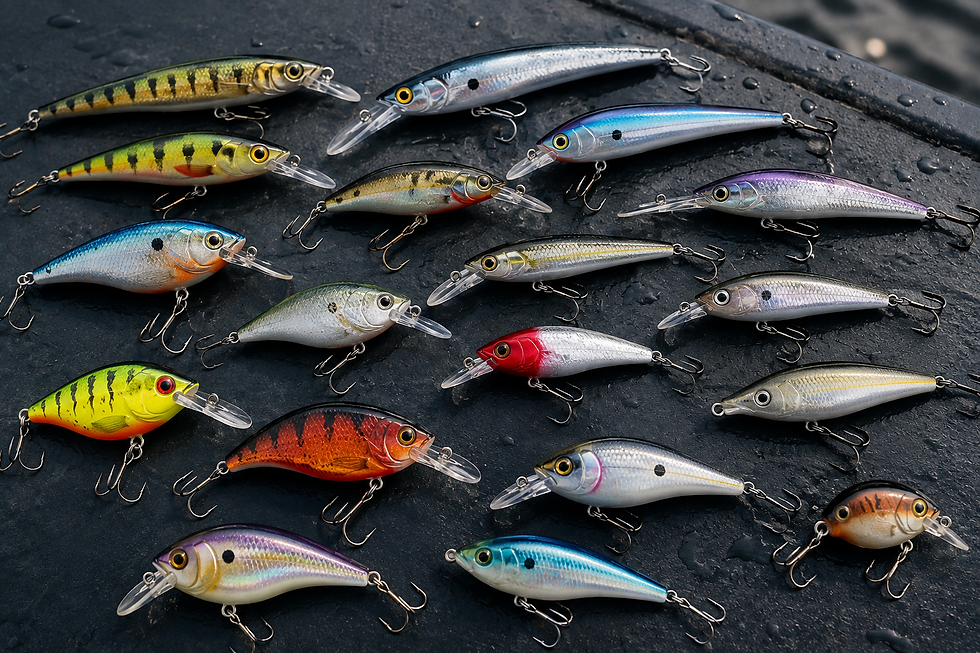
Cranks are excellent when fish spread across flats, basin edges, shorelines, or large reefs. They also shine after dark on clear lakes when walleye slide shallow.
Use crankbaits that reach the target depth and make steady bottom contact or run just above fish. In fall, natural perch, shiner, and walleye patterns work well. Bright colors can beat them in stained water or low light.
Speed matters. Start around a moderate trolling speed, then adjust until the rods tell the truth. If fish slap but miss, slow down or switch to a bait with a tighter action. If they ignore it, add speed or make sharper turns. Outside rods speed up on turns. Inside rods slow down. Many strikes happen right there.
More tips & tricks:
Soft plastics
Do not leave plastics in the summer box. Paddle tails, flukes, and ringworms catch aggressive fall fish, especially around weeds, rocks, river seams, and shallow nighttime spots.
Plastics help when small fish steal live bait or when covering water. They also let you fish faster. In stained rivers, a bright ringworm on a jig can save the day.
Use electronics without becoming a screen zombie

Good electronics help, but the screen is not the lake. Use sonar, side imaging, and mapping to answer specific questions.
Ask these:
Where does the break change fastest?
Is bait present?
Are fish on top, on the edge, or at the base?
Is the wind pushing into this structure?
Are fish moving or locked down?
On natural lakes, side imaging helps find rock piles, weed edges, and bait off the side of the boat. On big water, GPS mapping keeps passes tight along the right contour. On rivers, sonar shows holes, seams, and fish hugging bottom.
Drop waypoints for bites, not just marks. A screen full of arcs feels nice, but bitten hooks matter more. After three or four bites line up by depth or edge, repeat that exact zone until it dries up.
Boat control wins fall. Use the bow mount to slow a drift. Backtroll if that gives better jig angle. Spot-lock near a reef edge for slip bobbers or vertical jigging. The best anglers spend less time casting at hope and more time presenting at the right speed.
Dial in depth, light, and weather
Walleye are famous for low-light feeding, and fall reinforces that pattern. Dawn, dusk, cloudy days, and wind often beat flat sun. Night trolling can be outstanding on clear lakes, especially along shallow rocks and shoreline breaks.
That said, do not sleep on midday. In stained water, river systems, or windy conditions, fish may feed all day. The trick is adjusting location. Shallow at low light. Deeper edges when the sun gets high. Current seams when flow and bait line up.
Cold fronts can make fish drop deeper or hug bottom. High pressure and blue skies often call for slower rigs, vertical jigging, or precise slip bobbers. Before a front, expect a stronger bite window. After it, bring coffee and humility.
For fall walleye fishing in Minnesota, wind direction matters as much as the calendar. A steady wind on the same shoreline for a day or two can beat a famous spot with no life on it.
Seven small details that catch more fall walleye
The difference between a decent day and a photo-worthy day usually comes from boring details. Annoying, tiny, fish-catching details.
Sharpen hooks and retie often
Rocks, zebra mussels, pike, and toothy little bait thieves beat up line. Run fingers along the first few feet. If it feels rough, retie. There's nothing worse than losing a trophy walleye to lazy knot maintenance
Watch the line on the drop
Many jig bites happen as the bait falls. If the line jumps, stops early, or twitches sideways, set the hook. Waiting for a thump misses fish.
Fish edges at angles
Do not always cast straight at shore or straight down the break. Cast across the contour. Troll in S-turns. Drift diagonally. A bait that stays in the strike zone longer gets eaten more often. Funny how fish prefer food that does not immediately leave the room.
Upsize when the water gets colder
Late fall walleye often prefer larger meals. Bigger minnows, larger crankbaits, and bulkier plastics can pull better fish. Keep smaller options ready, but do not fear a meal-sized bait.
Keep one rod ready for the follow-up
If a fish misses a crankbait or swipes at a jig, drop a jig and minnow or slip bobber back through the area. Walleye often travel in small groups. One miss may mark a pod.
Use scent control in clear water
Gas, sunscreen, and bug spray on bait can hurt. Keep hands clean. Use bait towels. Store plastics away from fuel or strong odors.
Dress for boat control
Cold hands ruin feel. Wear thin gloves that still let you manage line. Keep a dry backup pair.

The final cast
Fall rewards anglers who fish with purpose. Find bait. Pick structure with deep water nearby. Use wind instead of complaining about it. Minnesota fall walleye are not always easy, but they are often predictable. Put the boat on the right edge, move the bait at the right speed, and stay ready when the line jumps. That next tap might be the fish that makes the cold fingers completely worth it.

Comments